Reaction Bonded Silicon Carbide Offers Thermal Shock Resistance for Industrial Applications

(Reaction Bonded Silicon Carbide Offers Thermal Shock Resistance for Industrial Applications)
Manufacturers in heavy industries are turning to Reaction Bonded Silicon Carbide (RBSC) for its strong ability to handle sudden temperature changes. This material keeps its shape and strength even when heated or cooled quickly. That makes it ideal for parts used in extreme environments.
RBSC is made by mixing silicon with porous carbon. The mixture is then heated so the silicon melts and reacts with the carbon to form silicon carbide. The result is a dense, hard material that resists wear and corrosion. It also conducts heat well while staying stable under stress.
Foundries, metal processing plants, and glass manufacturers rely on RBSC components like kiln furniture, burner nozzles, and heat exchangers. These parts face rapid heating and cooling cycles every day. Traditional ceramics often crack under such conditions. RBSC does not.
The material’s performance comes from its fine grain structure and low thermal expansion. When temperatures shift fast, RBSC expands and contracts very little. This reduces internal stress and prevents cracking. Users report longer service life and fewer replacements.
Demand for RBSC is growing as industries seek more reliable materials. Energy efficiency and equipment uptime are top priorities. RBSC helps meet both by reducing downtime and maintenance costs. Its durability cuts waste and supports consistent production.
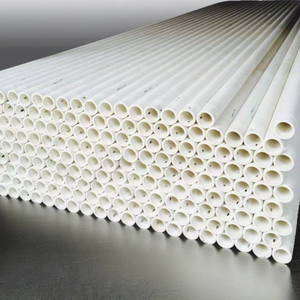
(Reaction Bonded Silicon Carbide Offers Thermal Shock Resistance for Industrial Applications)
Suppliers are scaling up output to meet rising orders. New formulations are being tested to improve performance further. Engineers continue to find new uses for RBSC in sectors like aerospace, automotive, and chemical processing. Each application benefits from the material’s toughness and stability.